

Why Turf City Never Felt Like a Shopping Mall
Before Turf City became one of Singapore’s most closely watched future housing estates, it was remembered as something much harder to define — a weekend destination, a family hangout, a food stop, a sports hub, a place to wander, and somehow, a place that never felt like a normal shopping mall.
Ask anyone who used to visit Turf City and The Grandstand, and they may struggle to describe it in one simple phrase.
Was it a mall? Not really. Was it a food destination? Partly. Was it a place for children’s classes, groceries, sports, restaurants, car showrooms and weekend errands? Yes, all of that too.
That was the strange charm of Turf City. It never fitted neatly into one category. It was not as polished as Orchard Road, not as convenient as a heartland mall beside an MRT station, and not as predictable as the newer lifestyle malls in Singapore.
But because of that, it had character.
It Felt More Like a Weekend Destination
Most shopping malls are designed for convenience. You enter, you shop, you eat, you leave.
Turf City felt different. Going there often felt like a small weekend outing. You usually had to make a deliberate trip, especially if you were driving in from Bukit Timah, Holland, Sixth Avenue, Clementi or other nearby areas.
Once you arrived, the pace felt slower. The site was spacious. The surroundings were greener. The roads felt more open. There was a kind of relaxed, slightly old-school atmosphere that you do not always find in a typical enclosed mall.
That was why many families could spend half a day there without feeling rushed.
The Grandstand Had Its Own Personality
The Grandstand was never a perfectly standardised shopping centre. That was part of its appeal.
It had a mix of tenants that felt unusually broad. There were food outlets, restaurants, groceries, children’s enrichment centres, play spaces, sports-related businesses, service shops, and even car showrooms in the wider Turf City area.
This made every visit feel slightly different. You might go for lunch, then browse a shop you had never noticed before. You might bring your child for a class, then stay for dinner. You might visit for groceries, then walk past something unexpected and stop for a look.
A normal mall tries to guide your path. Turf City allowed you to drift.
It Had Space, and Space Changes Everything
One reason Turf City felt different was simple: it had space.
In many parts of Singapore, commercial spaces are compact, vertical and crowded. Turf City had a more spread-out feel because of its former racecourse setting. Even if parts of the buildings were old or imperfect, the overall environment felt more breathable.
For parents with children, that mattered. For drivers, that mattered. For people who disliked crowded malls, that mattered too.
The open feel made Turf City more forgiving. It was not only about what shops were there. It was about how the place made people feel when they visited.
More Open
Turf City felt less compressed than many typical Singapore malls, giving families more room to move and breathe.
More Relaxed
The pace was slower, making it suitable for weekend meals, browsing, kids’ activities and casual family outings.
More Unexpected
Food, groceries, sports, enrichment, services and car-related businesses created a mix that felt unique.
Food Was a Big Part of the Memory
Food played a major role in Turf City’s identity. Many people still remember The Grandstand for its restaurants, casual eateries, food hall atmosphere and family-friendly dining options.
It was not always about famous food alone. Sometimes it was the routine that mattered: lunch after a child’s class, dinner after sports, a weekend meal with family, or a casual stop after grocery shopping.
The food scene helped Turf City become more than a retail location. It became part of people’s lifestyle rhythm.
In that sense, Turf City worked because it gave people reasons to linger.
It Was a Family Place Without Trying Too Hard
Some malls market themselves heavily as family destinations. Turf City did not need to feel overly polished to achieve that.
Its family-friendly appeal came naturally from the mix of activities. Parents could bring their children for classes, grab a meal, shop for groceries, browse around, and still feel like the outing was manageable.
There was also a certain informality to the place. It did not feel intimidating. It did not feel too precious. You could turn up casually, park, walk around and see where the afternoon took you.
That easy-going quality is probably one of the biggest reasons people remember it fondly.
The Randomness Was Part of the Charm
Turf City was not neat in the way newer malls are neat. It was not curated to perfection. It had a certain randomness — and that randomness made it memorable.
You could find family restaurants, children’s activities, sports facilities, groceries, car showrooms and lifestyle shops in the same broad destination. On paper, this mix might sound unusual. In real life, it gave Turf City its personality.
Many modern malls can feel quite similar after a while. Turf City did not.
It felt like a place that had evolved over time, collecting different kinds of tenants and visitors along the way.
Why Turf City Felt Different From a Normal Mall
- It was spacious, with a more open and relaxed environment.
- It had an unusual mix of food, shops, sports, services, cars and children’s activities.
- It felt like a destination, not just a convenient retail stop.
- It was family-friendly without feeling overly commercialised.
- It had character because it was imperfect, surprising and different.
Why People Miss That Kind of Place
Singapore is excellent at building efficient malls. They are clean, air-conditioned, connected and easy to navigate. But efficiency is not the same as memory.
The places we remember most are often the ones with quirks. The ones that were a bit inconvenient but worth visiting. The ones that had a certain smell, sound, layout or feeling. The ones where we built routines without realising it.
Turf City was one of those places.
People may remember a particular restaurant, a child’s weekly class, a grocery run, a sports session, a car showroom visit, or simply the feeling of arriving there on a weekend. These small memories are what gave Turf City emotional weight.
From Old Weekend Hangout to Future Neighbourhood
Today, Turf City is entering a very different chapter. The area is set to become a new housing estate with public and private homes, amenities, greenery, heritage elements and improved connectivity.
That transformation is important. Bukit Timah has limited large land parcels, and Turf City represents a rare opportunity to create a future residential precinct in a highly desirable part of Singapore.
But as the area changes, it is worth remembering why people liked Turf City in the first place. It was not loved because it was perfect. It was loved because it felt real.
The old Turf City gave people space to gather, eat, browse, play, learn and spend time together. If the future Turf City can preserve even part of that spirit, it may become more than just another new estate.
It may become a neighbourhood with soul.
The Best Neighbourhoods Are More Than Their Buildings
In real estate, we often talk about location, MRT stations, schools, prices and future transformation. These are important. Buyers should understand them.
But a neighbourhood is also shaped by softer things — weekend routines, favourite food spots, familiar shops, children’s activities, community spaces and the feeling people get when they spend time there.
That is why Turf City’s old identity matters. It reminds us that the best places are not only built with roads and buildings. They are built with memories.
Turf City never felt like a normal shopping mall because it was never just a mall.
It was a place where many Singaporeans created small but meaningful weekend memories. And as Turf City moves into its next chapter, those memories deserve to be kept alive.
Following the Next Chapter of Turf City?
Turf City is changing from a familiar weekend destination into one of Singapore’s most anticipated future housing estates. If you would like to follow future Turf City new launch updates, redevelopment news and upcoming project information, feel free to reach out.
WhatsApp Us For Turf City Updates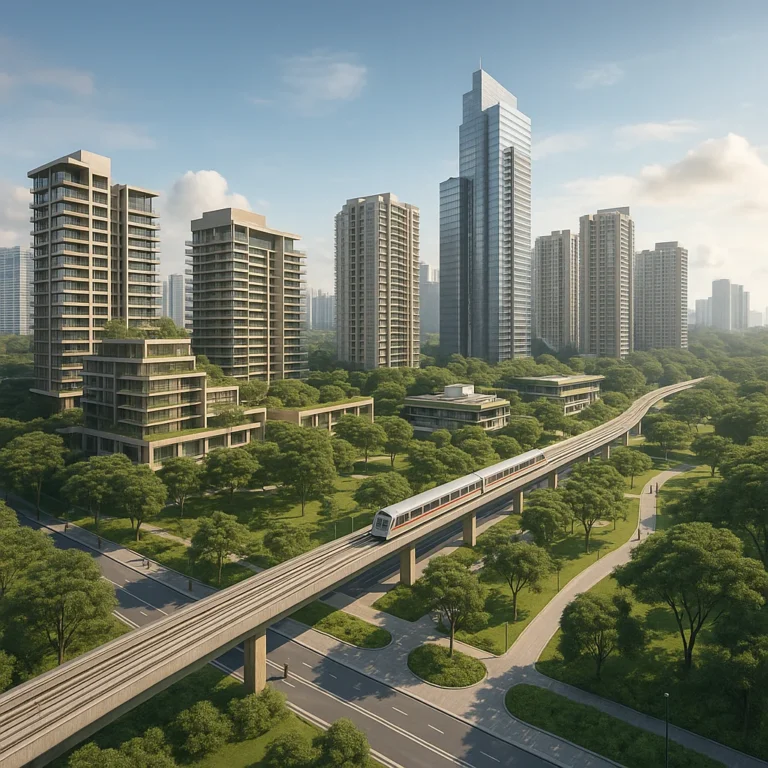

Pingback: Why Bukit Timah Needs More Places Like Old Turf City - Turf City Condos - New Launches in Bukit Timah